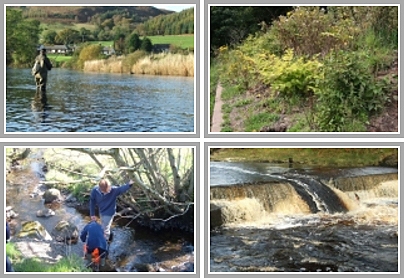
We’ve been out across the River Ayr catchment collecting data from our network of water temperature loggers in the last week. These small devices quietly record river temperatures at 15 minute intervals, building up a detailed picture of how our river temperatures change throughout the season and it makes for very interesting analysis.
-
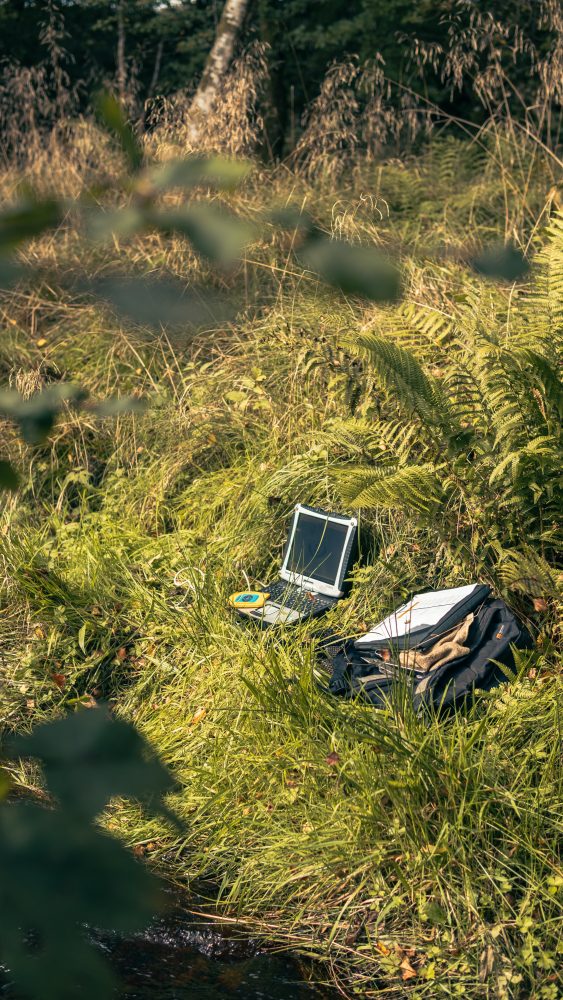
- Tools of the trade: A weatherproof laptop is fairly critical for working in all weather conditions and around water! This machine saves carrying an umbrella or waiting for the rain to stop!
-
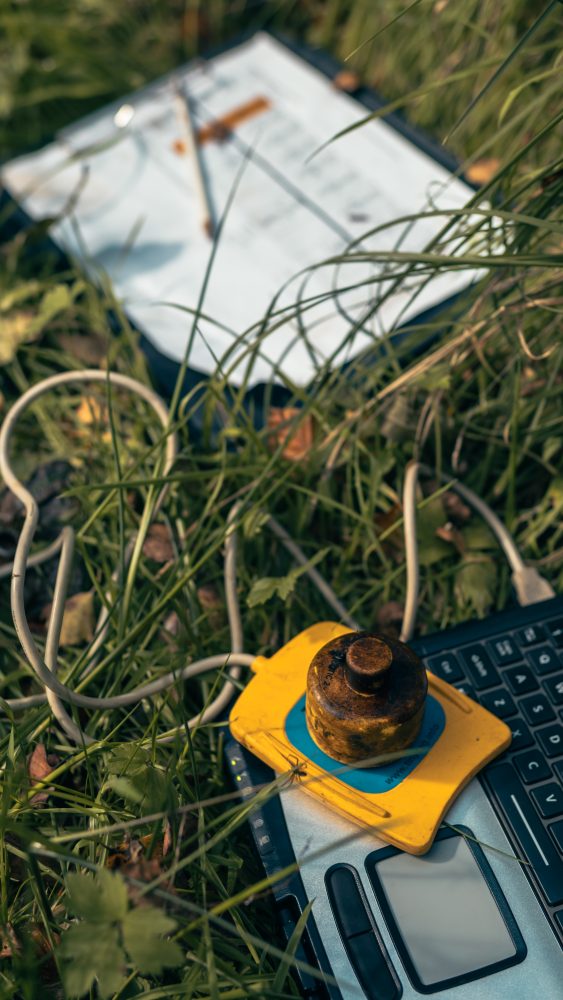
- These clever little loggers can be programmed to take readings at whatever frequency you like and have long life batteries making them very reliable which they have to be given some of the remote locations they are positioned in.
-
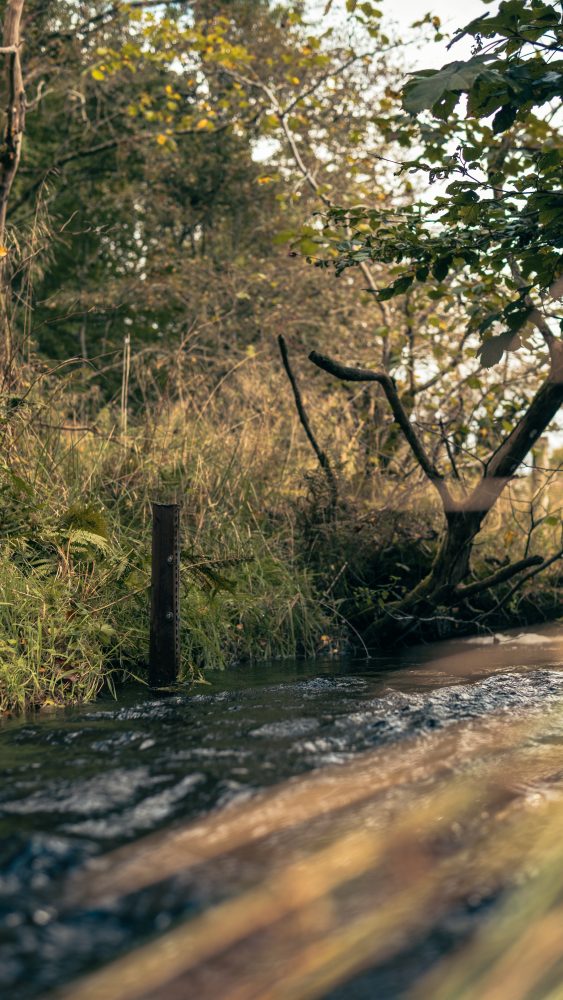
- Attached to an angle iron spike in the river bed these loggers survive even the worst spates and are positioned under southerly banks to capture water temperatures from banks sheltered from the mid-day sun.
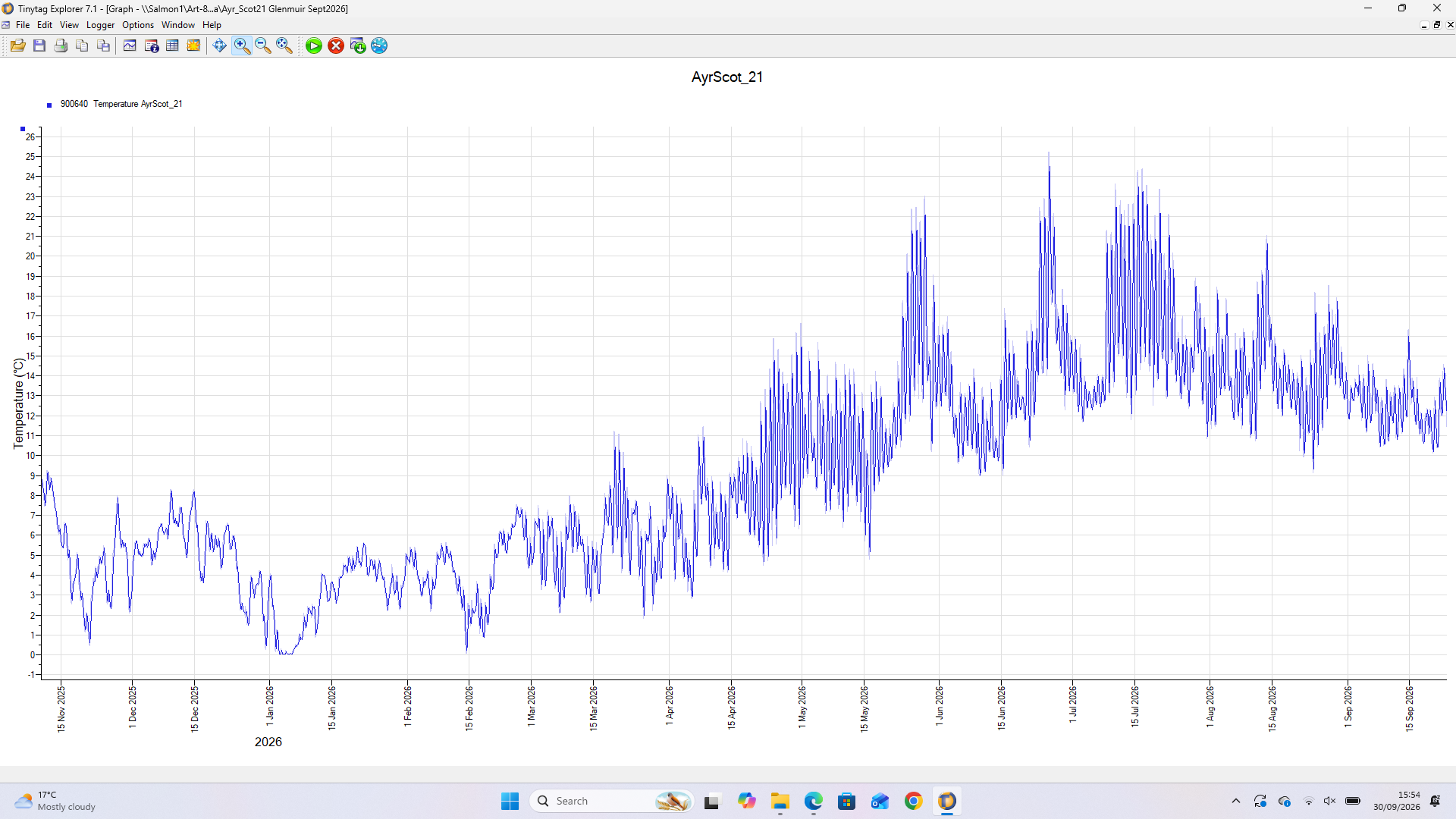
Expectedly the temperature rises into the summer but here on the Glenmuir it peaked at 26oC, which makes life very stressful for salmonids, shade is a priority going forward here and something we are actively working on with some priority – data such as this is critical in making the argument to funders about the requirement for this work.
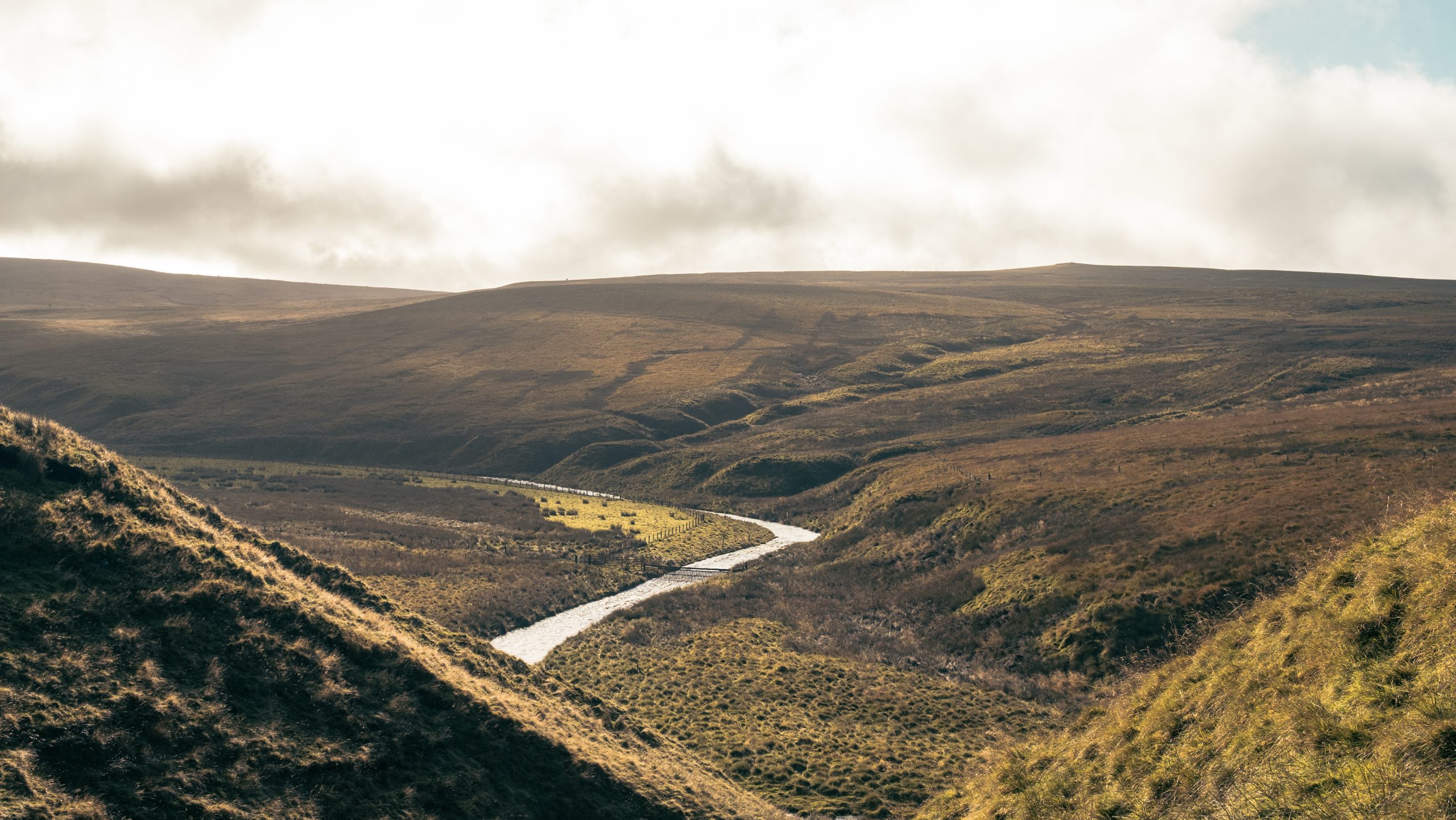
A glorious landscape in autumn colours but a landscape devoid of trees and shade. Without intervention it’ll be a system devoid of salmon and trout as well.
Why is this important? Water temperature is a key factor in determining the health of a river and can have a significant influence on aquatic species. For cold-water species such as Atlantic salmon, prolonged periods of warmer water can place additional stress on fish and affect their ability to survive and thrive. Temperatures over 22oC for prolonged periods of time are causing high levels of stress and fish will start to reduce their feeding to search for deeper, cooler refuges. As salmon and trout are poikilotherms (species whose internal temperatures fluctuate with their external environmental temperature) the temperature of their environment is critical to their metabolic rate. With higher temperatures ramping their metabolism up (higher calorie demand) and cooler temperatures slowing metabolic rate down (lower calorie burn). As with most things in life there is a ‘goldilocks zone’ and for trout and salmon that is around 14-16oC. Our loggers showed that in the upper and lower reaches of the catchment the water temperature reached 26oC on the 25th June – most people will remember the days around that week where the air temperature rose to around 32oC in the shade!
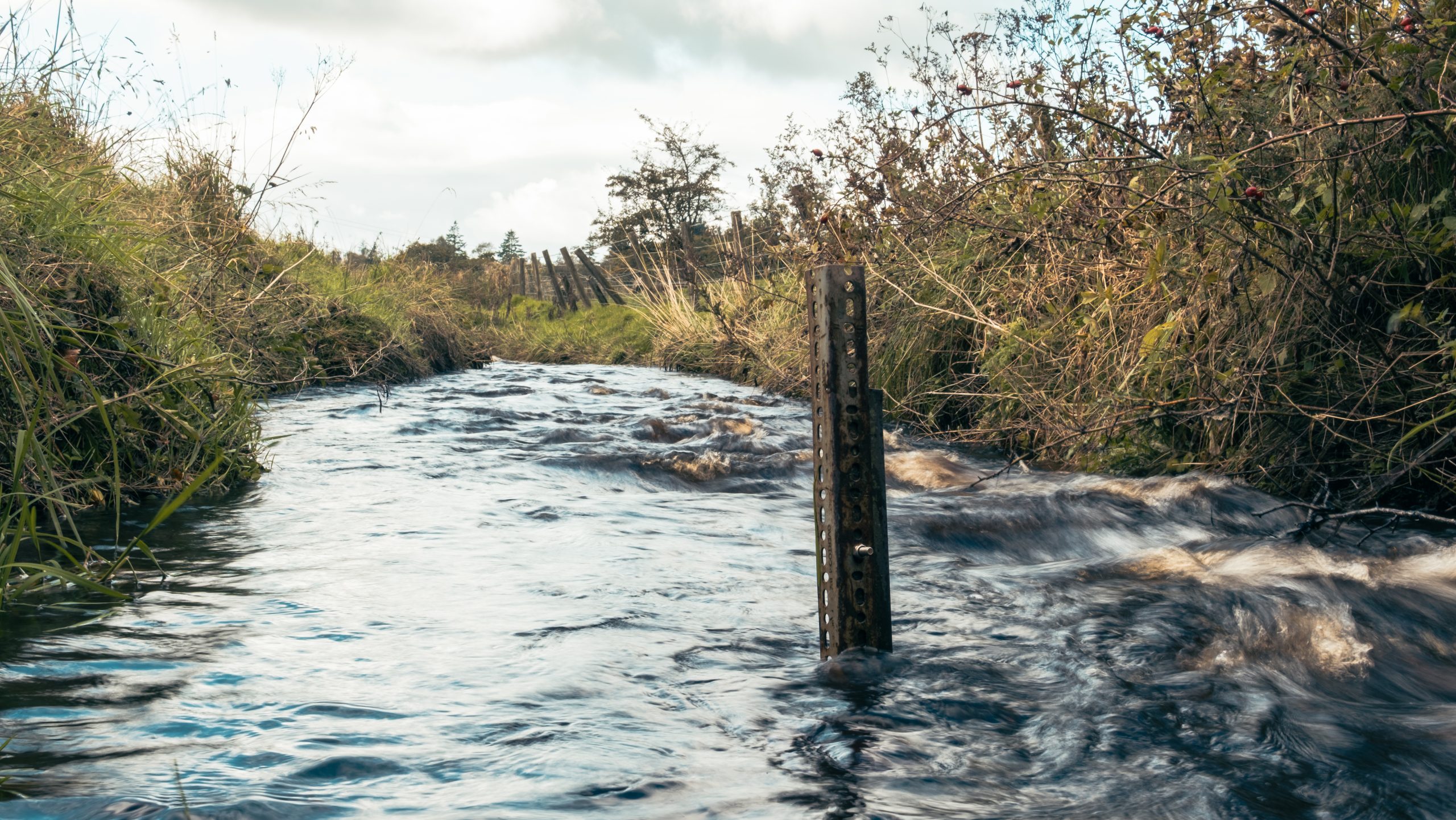
The spike holding steadfast in a turbulent flow.
Shade is the thing we are working very hard to provide on our rivers as there are big differences between the sub catchments across the Ayr with burns such as the Burnock that despite their black, peat-stained water rarely exceeded 20oC and small, skinny but well wooded burns such as the Cleuch Burn that rarely exceeded 20oC as well. The message is clear – trees and more canopy cover buffer these daytime highs extremely well and that’s just the tip of the iceberg as far as the benefits that trees bring but more on that in another post.
The data we collect feeds into the SRTMN model, helping us understand patterns in river temperatures across the catchment and identify areas that provide important cold-water habitat. It also directs focus on where in the catchment offers the greatest impact when it comes to designing planting schemes and knowing where to focus efforts. The data feeds into a model which can be viewed at https://marinescotland.atkinsgeospatial.com/nmpi/default.aspx?layers=1576
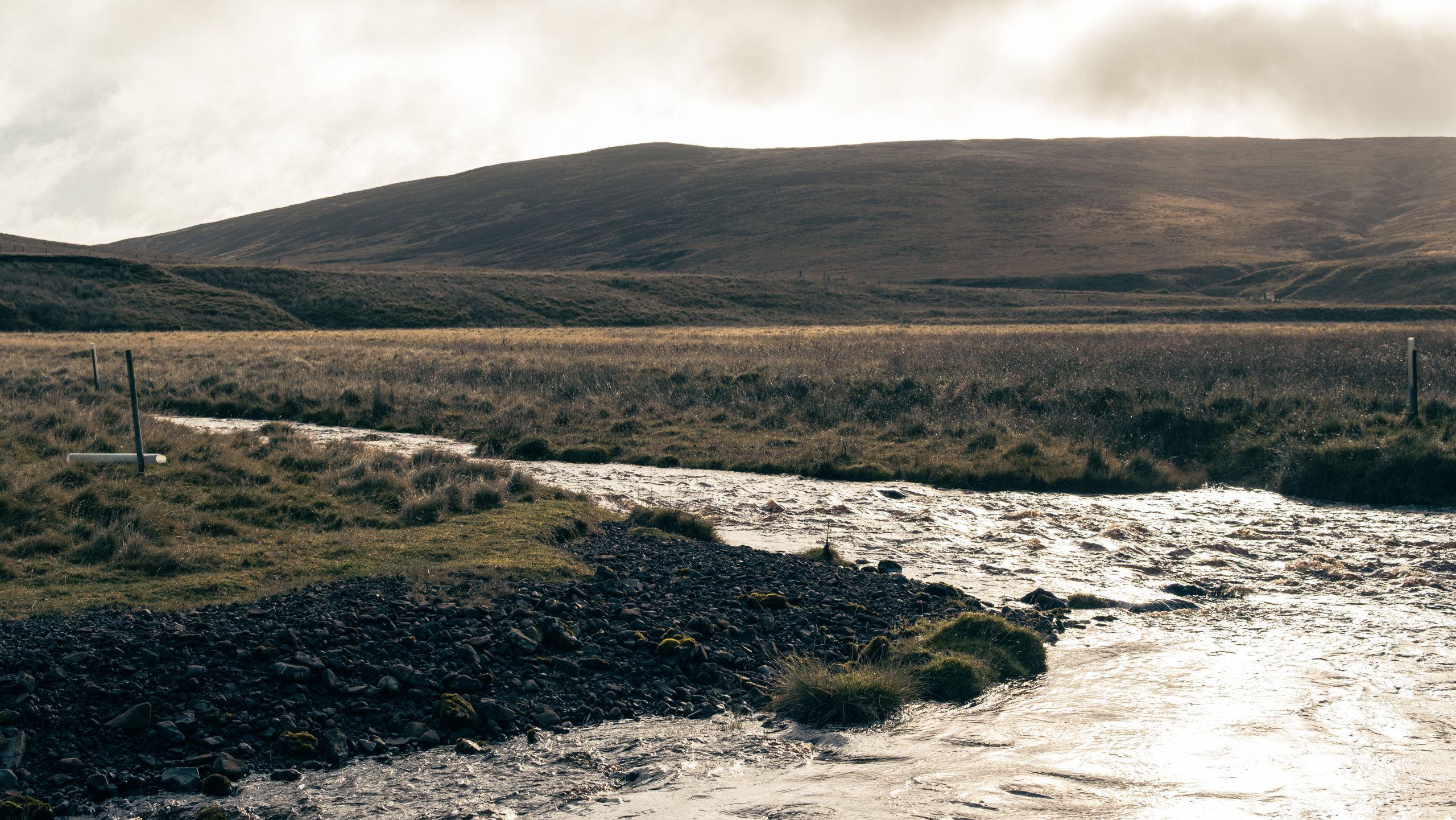
There has been some tree planting on the Glenmuir and whilst anything is invaluable this needs to be scaled now to have a meaningful impact.
By collecting this information over the long term, we can build a much better understanding of how our rivers are responding to changing environmental conditions. This evidence can then help inform future habitat restoration, catchment management and conservation work across Ayrshire. This helps us paint a much more realistic picture to funders and helps justify and demonstrate the requirement for funding and shows just how real the problems associated with climate change are. Salmon are under pressure throughout their lifecycle with many, huge pressures at sea. Our remit is for the freshwater environment and we need to maximise the quality of the habitat available to our fish. If we experience extremes in water temperature annually, even just for a handful of minutes then we won’t have salmon and trout in our watercourses for much longer. The problem is very real and without intervention will not right itself. Tree planting is crucial, the good news is that a lot can be achieved in just a few years, but the good news story is for the next post.